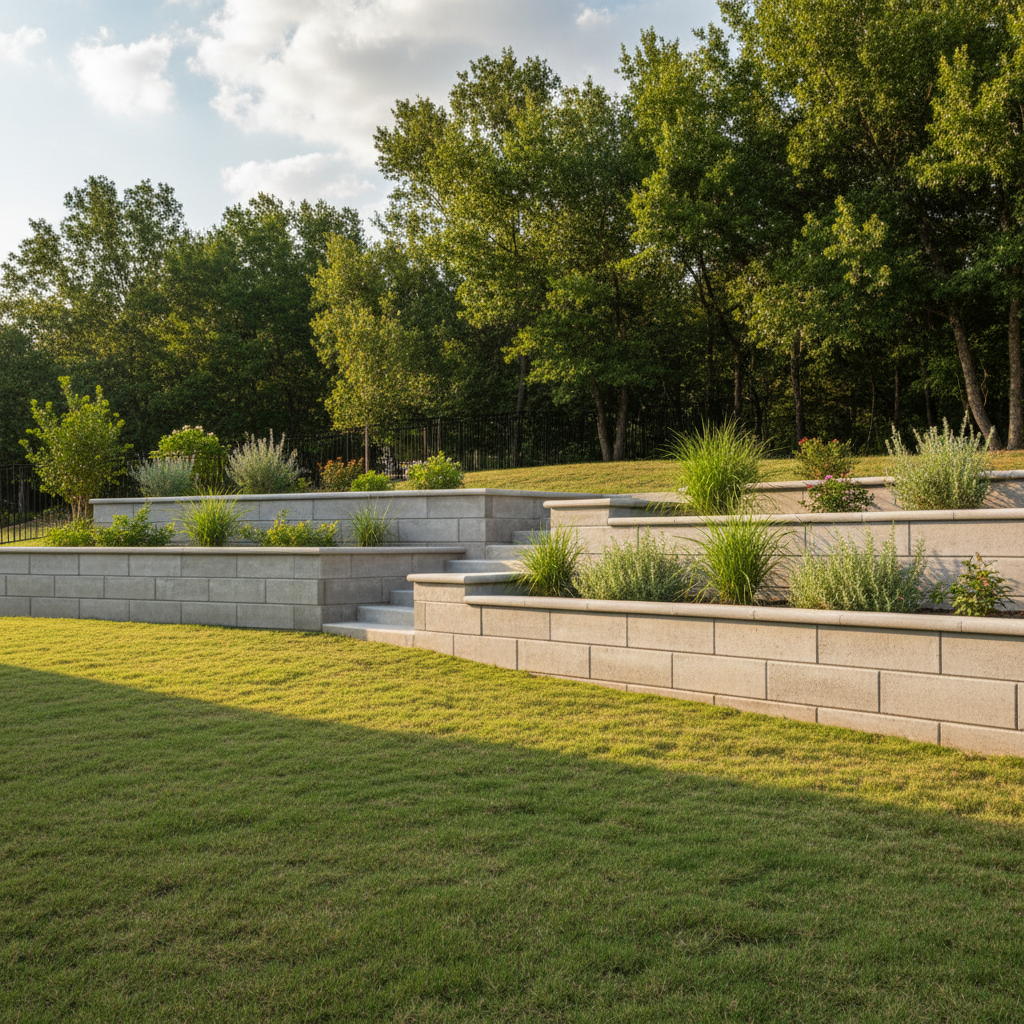
You need a retaining wall. Maybe your yard's got a slope that's washing out, or you're trying to create some usable flat space. Whatever the reason, a good concrete retaining wall can be a real asset. But man, I've seen folks in Waco make some real doozies of mistakes when they're planning these projects or picking a contractor. And trust me, with something as critical as holding back earth, you don't want to mess it up.
Mistake #1: Skipping the Site Assessment & Engineering
This is probably the biggest one, and it's where I see the most regret. You might think, "It's just a wall, right?" Wrong. Especially here in Waco, with our expansive clay soils that shift and swell, you can't just slap up a wall and call it a day. A proper retaining wall isn't just about looks; it's about engineering. You need to know what kind of soil you're dealing with, the slope, the water drainage, and the load the wall needs to hold.
- Not getting a soil report: Our Blackland Prairie clay is notorious. It expands when wet, shrinks when dry. If your wall isn't designed for that movement, it's going to crack, lean, or even fail. A soil engineer can tell you exactly what you're up against.
- Ignoring drainage: Water is the enemy of retaining walls. If you don't have proper drainage behind the wall – think gravel backfill, weep holes, and a French drain – water will build up, create hydrostatic pressure, and push your wall right over. I've seen walls that looked great for a year, then after a heavy spring rain, they're bowing out like crazy.
- No structural design: For anything over a few feet tall, you absolutely need an engineer to design the wall. They'll specify the footings, the rebar, the concrete strength, and the drainage. A contractor who says they can just eyeball it? That's a huge red flag.
Mistake #2: Focusing Only on the Lowest Bid
Look, I get it. Money matters. Everyone wants a good deal. But when it comes to concrete retaining walls, the cheapest bid is almost never the best one. This isn't a place to cut corners. A cheap bid often means:
- Cutting corners on materials: Using less rebar, lower-grade concrete, or skipping proper drainage materials.
- Inexperienced crew: Concrete work requires skill and precision. An inexperienced crew can make mistakes that compromise the wall's integrity.
- No proper permits or insurance: A legitimate contractor will pull permits (if required for your wall's height and location) and carry proper insurance. If they don't, you're on the hook if something goes wrong.
Ask for detailed bids. Compare what's included. If one bid is drastically lower, ask why. Don't be afraid to ask for references and check out their past work. You want a contractor who understands the specific challenges of building in places like the hilly areas around Lake Waco or the riverfront properties.
Mistake #3: Not Understanding the Maintenance
Once your wall is built, it's not entirely set-it-and-forget-it. Concrete is tough, but it's not invincible. You need to:
- Keep an eye on drainage: Make sure those weep holes aren't clogged. Clear debris from any drainage channels.
- Watch for cracks: Small hairline cracks are often normal, but larger, spreading cracks, especially horizontal ones, can indicate a problem.
- Don't plant heavy root trees too close: Tree roots can exert incredible pressure over time and damage your wall. Keep vegetation a sensible distance away.
A well-built retaining wall, properly maintained, can last decades. Here at Resilient Concrete Waco, we pride ourselves on building walls that stand the test of time, even against our unpredictable Central Texas weather.
Mistake #4: Not Getting Everything in Writing
This one seems obvious, but you'd be surprised. A handshake deal is fine for some things, but not for a major construction project like a retaining wall. Your contract should clearly outline:
- The scope of work: What exactly is being built? Dimensions, materials, etc.
- The timeline: Start and estimated completion dates.
- Payment schedule: When payments are due and what milestones trigger them.
- Warranty information: What's covered and for how long.
- Permits: Who is responsible for pulling them.
- Insurance: Proof of liability and workers' compensation insurance.
Don't sign anything you don't understand. Ask questions. A good contractor will be happy to explain everything. If they rush you or get defensive, that's another red flag waving right there.
Building a concrete retaining wall is an investment in your property. Do your homework, ask the right questions, and don't be afraid to walk away from a deal that feels off. You'll be glad you did when your wall is standing strong for years to come.