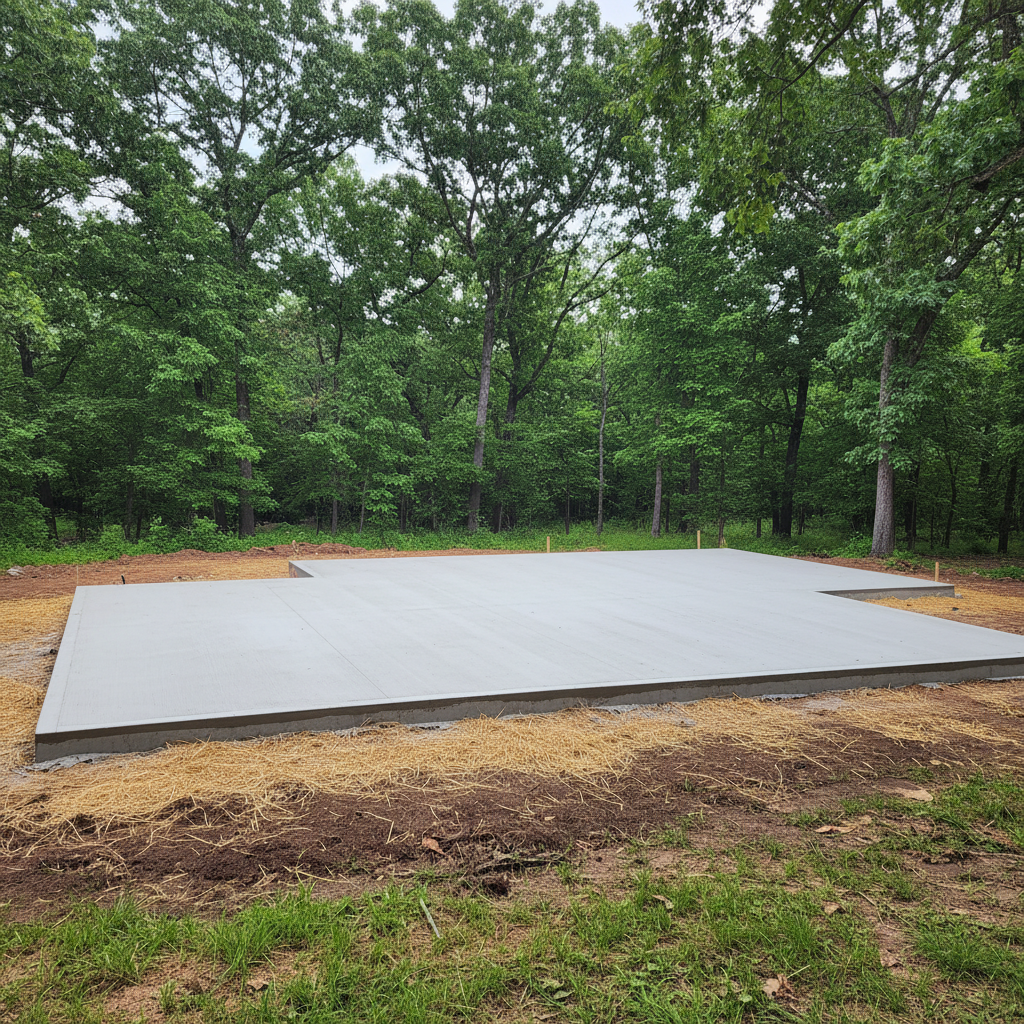
You've got a concrete foundation, or you're thinking about getting one, and you're probably wondering how our crazy Waco weather plays into all of it. It's a fair question, and frankly, it's one I get a lot. Down here in Central Texas, we don't just have four seasons; we've got about ten, and each one can throw a curveball at your concrete.
When's the Best Time to Pour Concrete in Waco?
Honestly, there's no single 'perfect' day, but there are definitely better windows. Spring and Fall are usually your best bets. Why? Because the temperatures are more moderate. Concrete needs time to cure properly, and extreme heat or cold can mess with that process. If it's too hot, the water in the mix evaporates too fast, which can lead to cracking. Too cold, and the hydration process slows way down, meaning it takes longer to gain strength, and you run the risk of freezing if temps drop below freezing before it's strong enough. We're talking 40 to 80 degrees Fahrenheit as the sweet spot.
That said, sometimes you can't pick the season. If you need work done in the summer, we've got strategies. We might pour earlier in the morning to beat the worst of the afternoon heat, or use special admixtures that help slow down the set time. In winter, we'll use blankets to insulate the concrete and keep it from freezing. It's all about managing the conditions, not just ignoring them.
How Waco's Climate Affects Your Foundation
Our soil here in Waco, especially that expansive clay soil you find all over, is a huge factor. When it rains, that clay soaks up water and swells; when it dries out, it shrinks. This constant movement puts a lot of stress on foundations. It's not just the concrete itself, but what's underneath it that matters. That's why proper site prep and drainage are non-negotiable.
Then there's the humidity. High humidity can slow down the drying process, which isn't always a bad thing for curing, but it's something we always account for. And of course, those sudden downpours we get? They can wash out freshly poured concrete if we're not careful with our timing and protection. I've seen it happen to folks who try to cut corners.
Protecting Your Concrete Investment Year-Round
Once your concrete is in, your job isn't over. Here's what you can do to keep it looking good and performing well:
- Drainage is King: Make sure water flows away from your foundation. Gutters should be clean and downspouts extended. If water pools near your house, you're asking for trouble with that expansive clay.
- Keep an Eye on Landscaping: Trees and large shrubs too close to your foundation can cause problems. Their roots can suck moisture out of the soil, causing it to shrink unevenly, or they can grow under and lift sections. Keep vegetation trimmed and consider professional advice for placement.
- Seal It Up: For driveways, patios, and even some foundation types, a good quality sealer can make a world of difference. It protects against moisture penetration, stains, and general wear and tear. It's not a one-and-done thing; you'll need to reapply every few years, depending on the product and traffic.
- Address Small Cracks Early: Concrete cracks. It's a fact of life. But small, non-structural cracks can turn into bigger problems if water gets in and freezes, or if that expansive soil starts doing its thing. Don't ignore them. A professional can tell you if it's just a cosmetic crack or something more serious.
- Regular Inspections: Just walk around your house a couple times a year. Look for new cracks, uneven settling, or places where water might be pooling. Catching issues early saves you a lot of headache and money down the road.
We've been doing this for a long time at Resilient Concrete Waco, and we've seen just about everything our Central Texas climate can throw at a foundation. The key is understanding the challenges and building smart from the start, then taking care of what you've got. If you've got questions about your specific situation, don't hesitate to reach out. We're here to help.