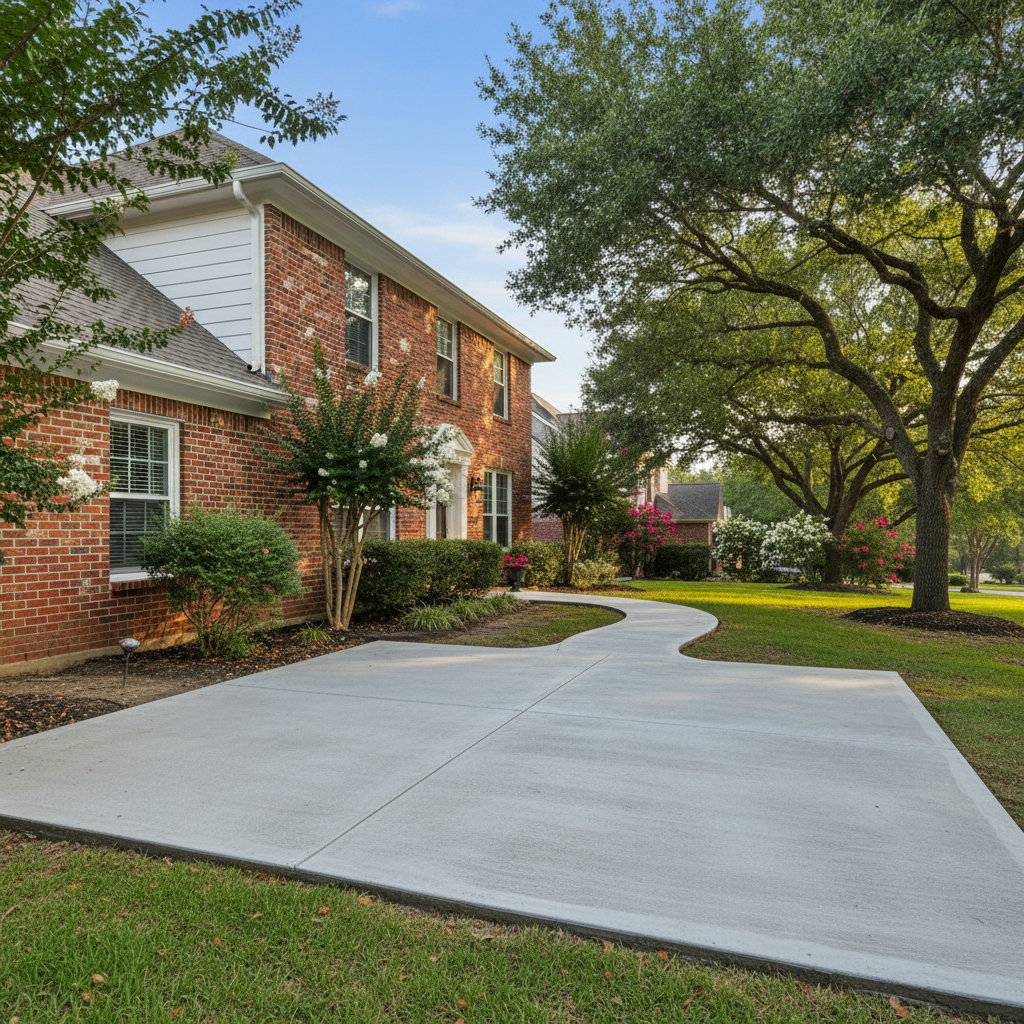
So, you just put in a beautiful new concrete driveway, patio, or walkway. Or maybe you've had it for years and just want to make sure it sticks around. Either way, you're probably wondering how to keep it looking good. It’s not rocket science, but a little regular care can seriously stretch your concrete's life and save you a headache later on. Trust me on this one.
Make Your Concrete Last Longer: It's Easier Than You Think
The single most important thing you can do to protect your concrete, especially here in Waco with our wild weather, is sealing it. I really can't say this enough. A good quality sealer works like a shield. It pushes away water, oil, grease, and other stains. This is a huge deal because water getting in is a main reason concrete falls apart, especially with our freeze-thaw cycles in winter—even if they're not as crazy as up north. Water sneaks in, freezes, expands, then thaws, slowly breaking down the concrete from the inside out. A sealer also helps stop those ugly efflorescence stains, you know, that white powdery stuff that sometimes pops up.
Beyond sealing, try not to hit it with anything too heavy. Don't go dropping engine blocks or big tools right onto your concrete. If you've got a brand new driveway, give it a few days to fully harden before you park heavy trucks on it. And speaking of vehicles, if you're doing car repairs, toss down some cardboard or a tarp to catch oil and other fluids. Even with a sealer, some chemicals can still eat away at it over time.
Regular Maintenance: What You Should Be Doing
Good news: this isn't a daily chore. Here’s what I usually tell people:
- Clean it often: A quick sweep with a broom is usually enough to get rid of loose dirt and leaves. For tougher grime, a hose and a stiff brush with some mild soap generally do the trick. You can power wash, but be careful with the pressure, especially on older or decorative concrete. Too much pressure can damage the surface or even lift the aggregate.
- Deal with spills fast: Oil, grease, rust, pet waste—these things can stain or etch your concrete if you leave them too long. The quicker you clean them up, the better your chances of stopping a permanent mark.
- Re-seal every few years: How often depends on the type of sealer you used and how much foot (or car) traffic your concrete sees. For most homes, every 2-5 years is a pretty good guideline. If water stops beading up on the surface, it’s probably time.
- Watch out for weeds: Weeds growing in cracks aren't just an eyesore; their roots can actually make those cracks wider over time. Pull 'em out or hit 'em with some weed killer.
One thing I've noticed a lot around Waco, especially in older neighborhoods with big trees, is roots causing problems. If you have large oak trees near your driveway, keep an eye on them. Their roots can lift and crack concrete over decades. Sometimes there's not much you can do without removing the tree, but it's good to be aware of the potential issue.
Warning Signs: When to Pay Closer Attention
Your concrete will practically tell you when it's having issues. You just need to know what to look for:
- New or widening cracks: Small hairline cracks are pretty normal; concrete shrinks a bit as it dries. But if you see cracks getting bigger, or new ones popping up quickly, that’s a red flag.
- Spalling or flaking: This is when the surface of the concrete starts to peel or chip off. Water getting into the concrete and freezing, or improper finishing, often causes this.
- Pitting: Small holes or depressions on the surface. These can come from aggregates popping out or from exposure to de-icing salts (which I generally tell folks to avoid using on concrete, especially new concrete, here in Texas).
- Uneven surfaces: If one slab is higher or lower than the one next to it, or if you notice a significant dip, that could point to a problem with the ground underneath or the foundation.
When to Call a Professional (Like Resilient Concrete Waco)
Look, some things you can definitely handle yourself. Cleaning, re-sealing, pulling weeds—that’s homeowner stuff. But there are times when you really need to bring in the pros. If you see significant cracking that's getting worse, large sections of spalling, or if your concrete is sinking or heaving, don't try to DIY a fix. You could make it worse or just slap a band-aid on a much bigger problem.
When you're dealing with structural issues, like a foundation problem under a slab or major cracking that shows soil movement, that's absolutely a job for someone who knows what they're doing. We've got the tools and the know-how to figure out the real issue and suggest the right solution, whether it's crack repair, slab jacking, or something more involved. It’s always better to take care of these things sooner rather than later to prevent more extensive and costly damage down the road.