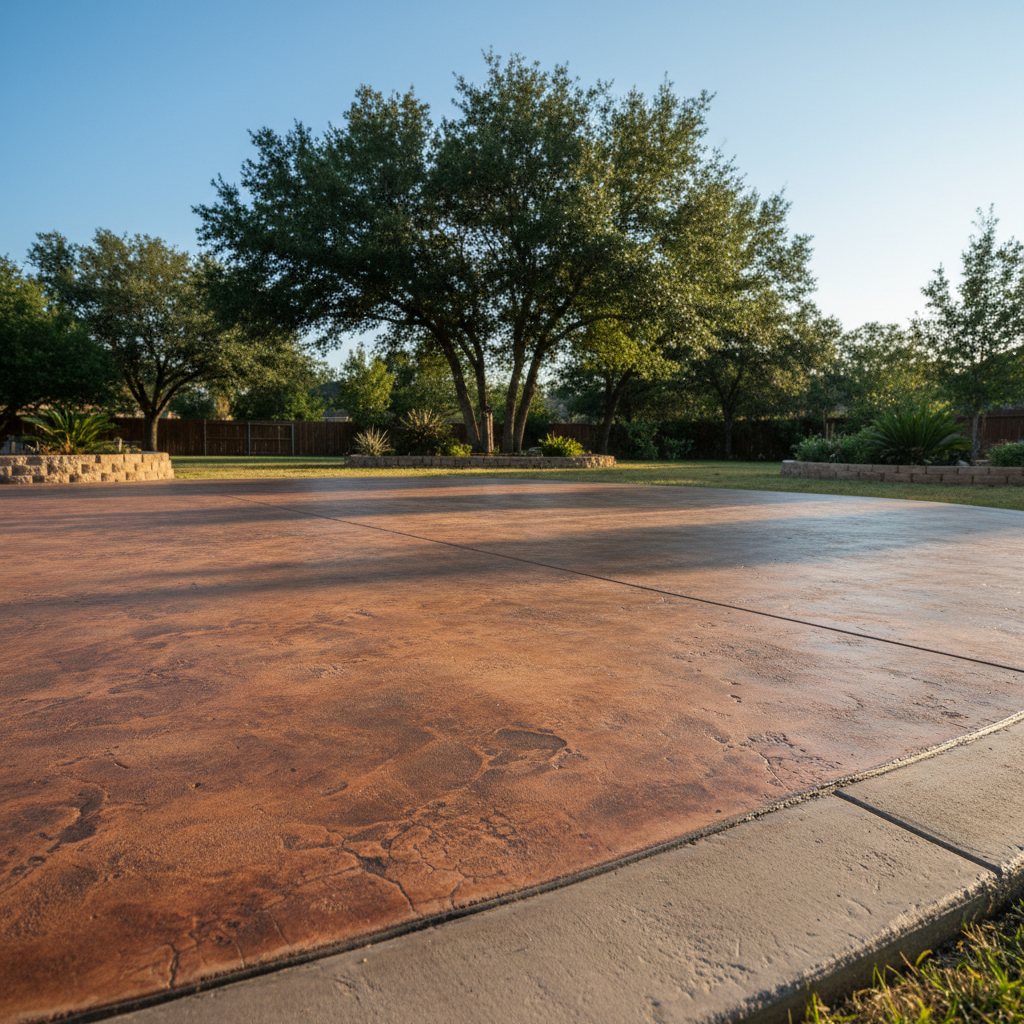
Thinking About Staining Your Concrete? Here's the Deal.
So, you've got some concrete around your place – maybe a patio, a walkway, or even an indoor slab – and you're tired of that plain gray look. Concrete staining is a fantastic way to add some real character and color without completely tearing things out. It's not paint; it's a process that chemically reacts with the concrete or penetrates the surface, creating a translucent, rich finish that won't chip or peel like paint can. I've seen some truly stunning transformations right here in Waco, from the old homes in Sanger Heights to brand new builds out by Lake Waco.
Before you even think about buying a bucket of stain, you need to know what you're getting into. This isn't a weekend warrior project for everyone, but parts of it definitely are. Let's break down what you need to consider.
Before You Even Start: The Prep Work (Crucial!)
This is where most DIY staining projects go wrong, plain and simple. If your concrete isn't clean, dry, and prepped right, your stain won't look good, and it won't last. Trust me on this one; I've seen enough botched jobs to know.
- Clean, Clean, Clean: You can't just sweep it off. You need to power wash it thoroughly. Get rid of all dirt, grime, oil, grease, paint, sealers, and anything else that's not concrete. For stubborn spots, you might need a degreaser or a specialized concrete cleaner. If there's old paint or sealer, you'll need to strip it completely. This isn't optional.
- Repair Any Damage: Cracks, spalling, or uneven spots? You've got to fix those first. Stain won't hide imperfections; it'll often highlight them. Small hairline cracks can sometimes be left alone if you're going for a rustic look, but bigger ones need proper repair. Keep in mind that repaired areas might take the stain differently than the original concrete, so test it.
- Etch It (Sometimes): For acid stains, the concrete needs to be open enough for the chemical reaction. Sometimes, a mild acid wash (like muriatic acid, but be super careful with this stuff and follow safety instructions to the letter) is needed to open up the pores. For water-based stains, etching isn't always necessary, but a good cleaning is always paramount.
- Test, Test, Test: This is your golden rule. Get a small sample of the stain and apply it to an inconspicuous area of your concrete. Let it dry completely and seal it. This tells you exactly how the color will look on your specific slab. Every piece of concrete is different, and what looks great in a picture might look totally different on your patio.
Can you do this prep yourself? Absolutely. It's labor-intensive, but it doesn't require specialized skills beyond being thorough and patient. Just make sure you've got the right safety gear – gloves, eye protection, and good ventilation, especially if you're using harsh chemicals.
During the Staining Process: What to Expect
There are two main types of concrete stain you'll typically find: acid-based and water-based.
- Acid-Based Stains: These react chemically with the lime in the concrete, creating translucent, mottled, earthy tones (think browns, tans, greens, blues). The color isn't uniform; it's unique to your slab, which is part of its charm. Application usually involves spraying it on, letting it react, then neutralizing and rinsing. This is where things can get a little tricky because the reaction can be unpredictable.
- Water-Based Stains: These are more like a translucent paint that penetrates the surface. You get a wider range of colors, and the results are generally more consistent and predictable than acid stains. They're also usually easier to apply, often with a sprayer, roller, or brush.
For DIY, water-based stains are generally more forgiving. You'll apply thin, even coats, letting each one dry before the next. Overlapping can cause darker spots, so consistency is key. Work in small sections, and keep a wet edge to avoid lines. If you're doing a large area, like a big driveway, it's really tough to keep that consistent look by yourself.
After Staining: Sealing and Maintenance
Once your stain is dry and you're happy with the color, you're not done. You absolutely have to seal it. The sealer protects the stain from wear, UV rays, and moisture, and it often enhances the color, giving it a richer, deeper look.
- Apply a Good Quality Sealer: There are different types – acrylic, epoxy, urethane. Acrylics are common for outdoor use and are pretty easy to apply. You'll typically roll or spray on two thin coats, letting each dry completely.
- Maintenance: Even with a sealer, stained concrete isn't maintenance-free. You'll need to clean it regularly with a mild detergent and reapply sealer every few years, depending on traffic and sun exposure. Here in Waco, with our hot sun and occasional heavy rains, that sealer can take a beating, so keep an eye on it.
When to Call a Pro (Like Resilient Concrete Waco)
So, when is it time to step back and pick up the phone? Here's my honest take:
- Large or Complex Areas: If you're trying to stain a huge commercial floor or an intricate patio with lots of different levels and edges, it's going to be a nightmare to get a consistent finish by yourself.
- Existing Issues: If your concrete has significant damage, old stubborn coatings, or severe oil stains that you can't get out, a professional has the industrial-grade equipment and chemicals to tackle it properly.
- Specific Artistic Finishes: Want multiple colors, intricate patterns, or a super high-gloss, durable finish like an epoxy coating? That's definitely pro territory. Acid staining, in particular, can be tricky to get just right without experience.
- Time is Money: If you don't have the time, patience, or desire to spend a weekend (or more) on your hands and knees scrubbing and spraying, then hiring us makes perfect sense. We've got the tools and the crew to get it done efficiently and beautifully.
For a small, clean patio or a simple walkway, a DIY water-based stain project can be really rewarding. But for anything bigger, more complex, or if you're aiming for a truly professional, long-lasting finish, give Resilient Concrete Waco a call. We're happy to talk through your project and give you an honest assessment of what it'll take.